
An end state that can be justified, a waste route that exists and a record that will still be trusted in fifty years.
Site licence companies, parent bodies and defence estates commission this work when a liability has to be closed out to a regulator’s satisfaction. NCL’s team includes former waste management directors and decommissioning executives from UK, US and Canadian programmes.
What the practice covers
Decommissioning strategy and end statesWhat the end state should be, and the credible routes to reach that end stateWaste strategy, routes and inventoriesAt programme level rather than consignment levelPackaging, transport and fuel materialsWaste packages, transport containers and the licences they needLegacy plant and retrievalReturning dormant plant to service, or retrieving what is insideLiability estimates and funding casesBuilt with business case disciplineRecords, knowledge and characterisationAt the end of a programme these are all that remains
Decommissioning strategy and end states
What the end state should be, and the credible routes to reach that end state
Decommissioning strategy and optioneering, site end state definition and the case that justifies the chosen end state, including contaminated land assessment and remediation strategy.
ExampleA strategic review of a waste repository’s environmental safety case ahead of its regulatory submission.
Waste strategy, routes and inventories
At programme level rather than consignment level
Waste characterisation, strategy, routes and inventories, and the concept-stage safety assurance of treatment technologies new to the UK.
ExampleConcept-stage safety assurance for an intermediate level waste treatment technology mirroring a US plant, establishing the safety requirements central to its deployment.
Packaging, transport and fuel materials
Waste packages, transport containers and the licences they need
Waste package and transport container design, package performance assessment, transport licensing to IAEA regulations, and the handling of fuel and nuclear materials through storage, transport and disposal.
ExampleType A, B(U)F and B(M)F package design and licence applications for civil and defence use.
Legacy plant and retrieval
Returning dormant plant to service, or retrieving what is inside
Reinstatement of legacy plant with unknown contents, remote and robotic retrieval, and the operations documentation and contingency plans that go with them.
ExampleOperations and maintenance manuals and contingency plans for remotely operated debris retrieval in a legacy facility.
Liability estimates and funding cases
Built with business case discipline
Liability estimates, funding cases and the regulatory interactions that decommissioning turns on.
ExampleNuclear safety champion for around £40m of plant and equipment delivered to nuclear quality for a major decommissioning facility, now operational and award winning.
Records, knowledge and characterisation
At the end of a programme these are all that remains
The records, characterisation data and knowledge that prove to a regulator the liability has been closed out, kept in a form that survives the people who created them.
ExampleWaste fingerprint revision and characterisation sampling plans on licensed sites.
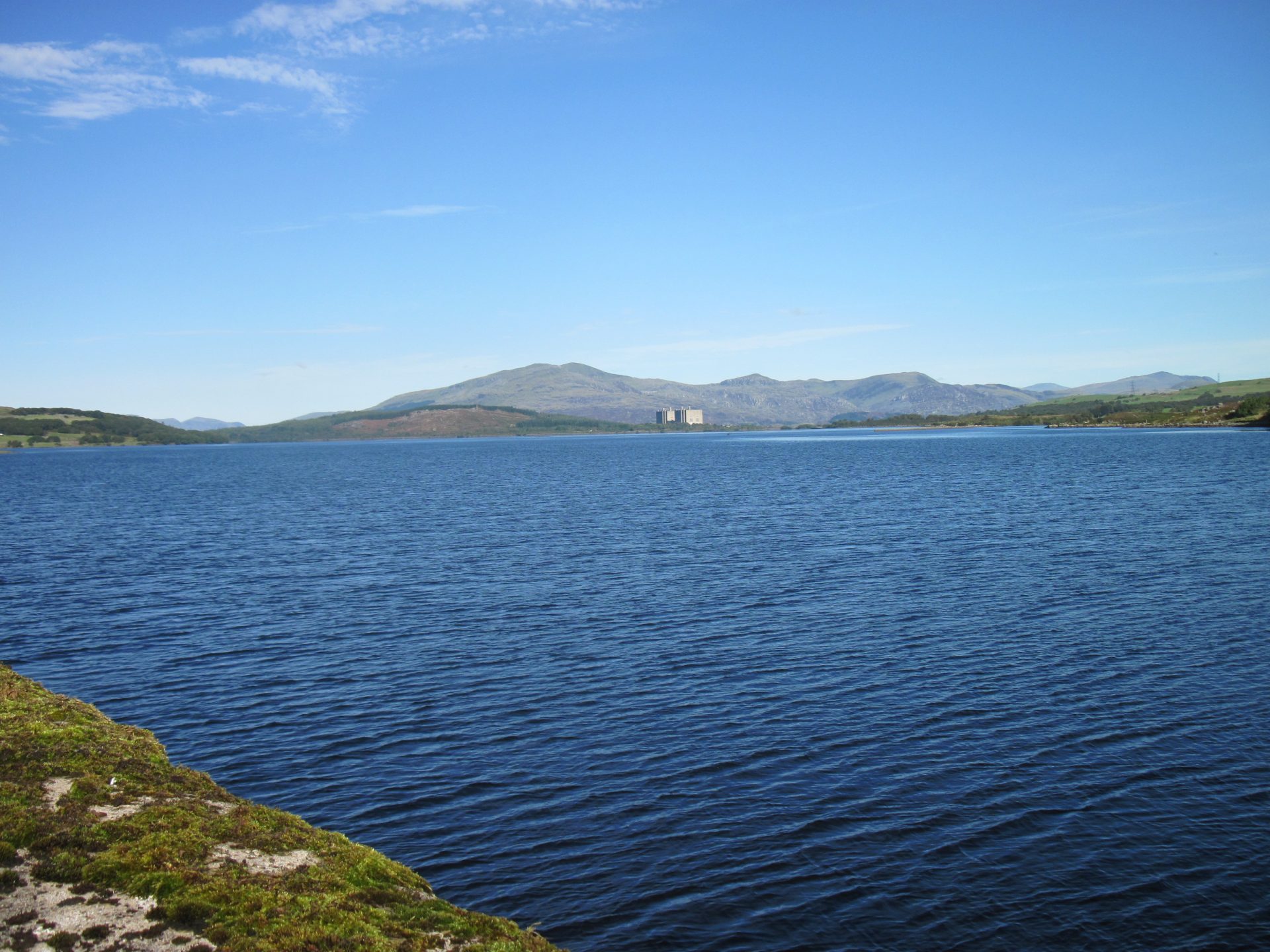
Case study£40m of plant, delivered to nuclear qualityNCL’s consultant oversaw about £40m of plant and equipment supply as project nuclear safety champion on a major decommissioning facility, owning the quality plans, inspection hold points and manufacturer acceptance. The facility is operational and award winning.
Leading the practice
Practice director To be announced
A service director is accountable for the standard of every deliverable in this practice and for the people who produce them. The consulting partner who takes an assignment stays with the client for the life of the work, and draws on this practice and the others around it as the assignment requires.
Safety, regulation and assuranceRelated practiceStrategy, investment and market entryRelated practiceProjects and programmesRelated practice